October is when the garden really begins to change. Days get shorter, temperatures drop, and depending on where you live in Canada, the first frost may be just around the corner.
But gardening season isn't over yet.
A little work now can help you protect your remaining crops, improve your soil, and prepare your garden for a healthier start next spring.
Here are 5 things to do in your garden before the first frost arrives.
1. Harvest Frost-Sensitive Crops
Don't let your final summer harvest go to waste.
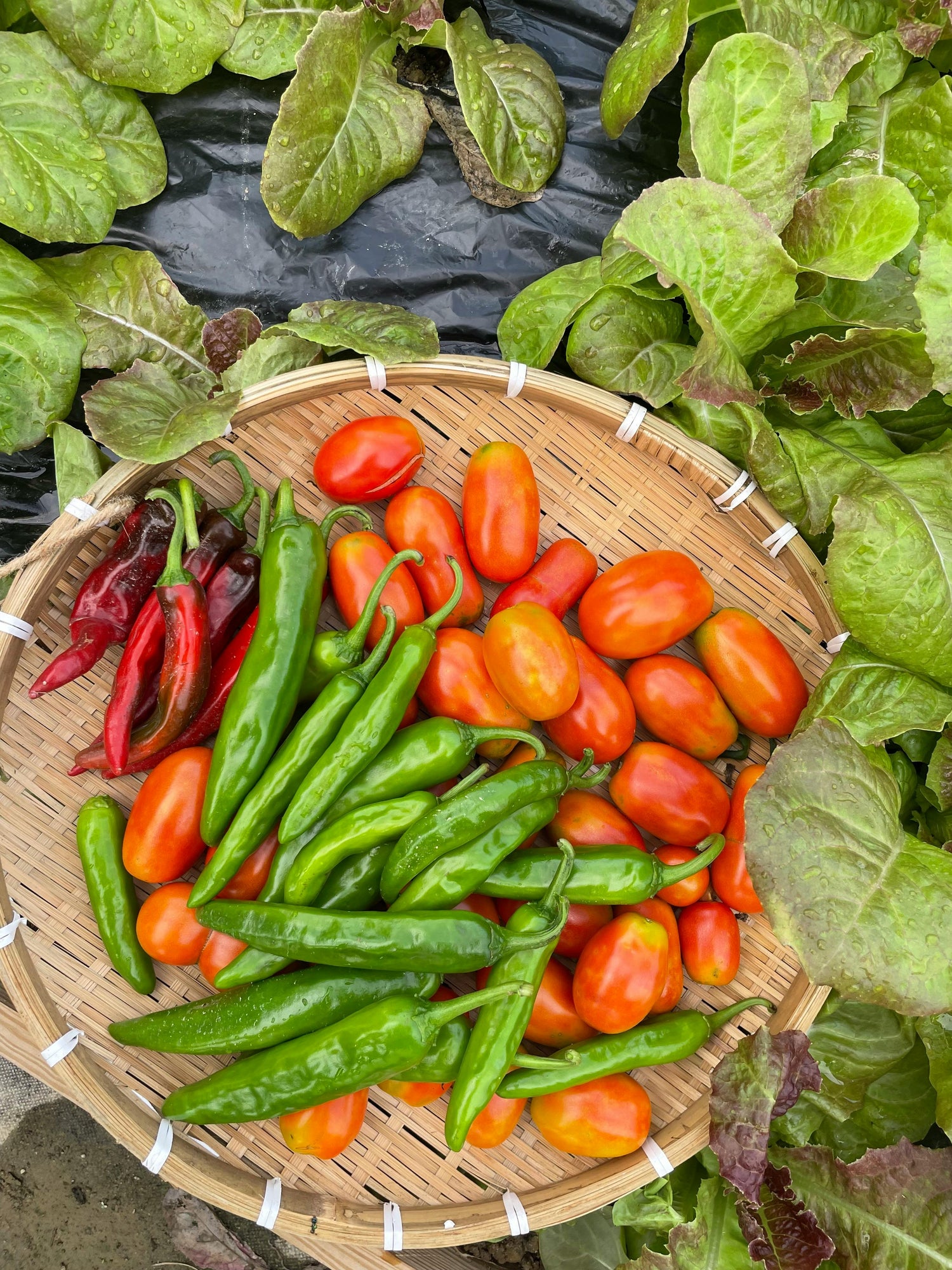
Before frost arrives, harvest cold-sensitive vegetables such as tomatoes, peppers, cucumbers, zucchini, and basil.
Keep an eye on your local weather forecast, since the first frost date varies considerably across Canada. If temperatures are expected to approach freezing, it's time to harvest the crops that won't tolerate the cold.
Some cool-season vegetables, on the other hand, can handle colder conditions and may continue growing into fall.
2. Remove Spent or Diseased Plants
Once plants have finished producing, start clearing them from your garden beds.
Healthy plant material can often be composted, while plants showing signs of disease or significant pest problems should be handled separately rather than added to your regular compost pile.
Removing old plants also gives you the perfect opportunity to pull weeds before they have another chance to spread.
Think of it as a fall reset for your garden.
3. Give Your Soil Some Love
Your plants have been pulling nutrients from the soil all season. Fall is a great time to start putting something back.
Add a layer of finished compost or other appropriate organic matter to your garden beds. Over time, this can improve soil structure and support the organisms that help create healthy growing conditions.
You don't have to wait until spring to start building better soil. What you do in October can influence how your garden performs next season.
4. Protect Your Soil With Mulch
One of the simplest things you can do before winter is avoid leaving your soil completely bare.
Adding a layer of organic mulch—such as shredded leaves or straw—can help protect the soil surface, reduce erosion, suppress weeds, and moderate temperature fluctuations.
And October gives many Canadian gardeners one particularly convenient resource: fallen leaves.
Instead of treating every leaf as waste, consider putting suitable healthy leaves to work in your garden.
5. Prepare Your Raised Garden Beds for Winter
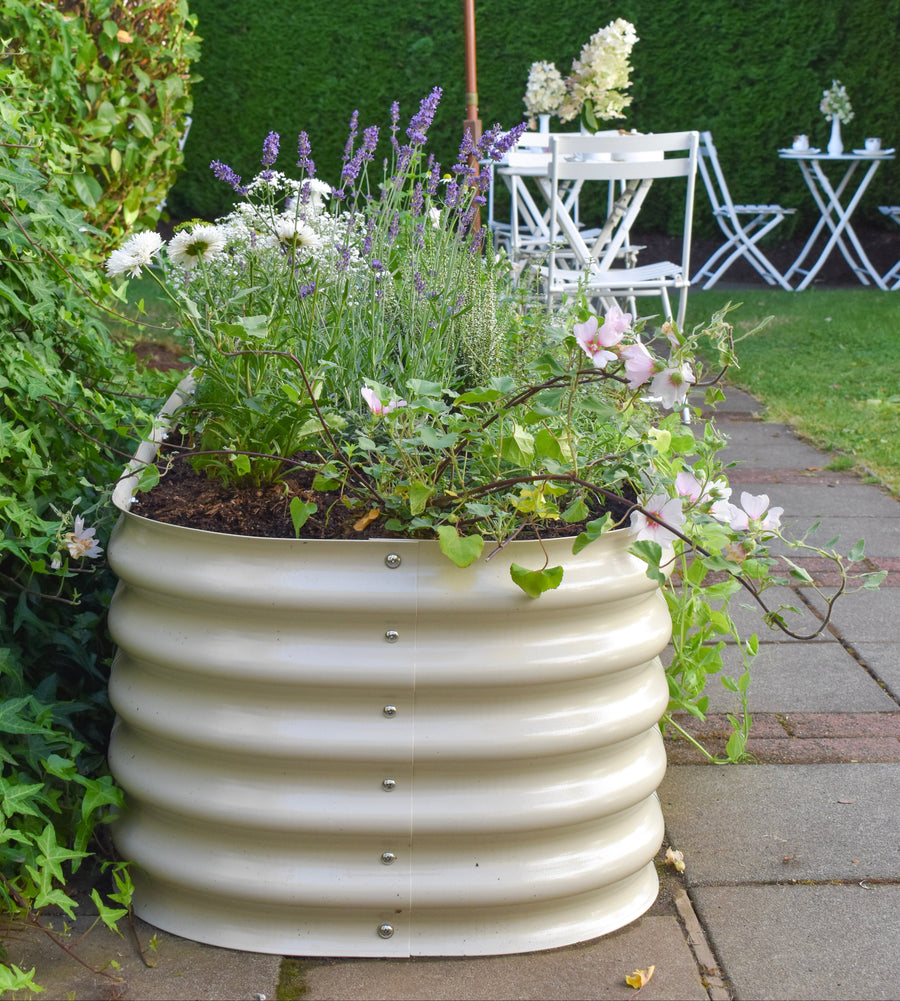
If you grow in raised garden beds, take a few minutes to inspect them before winter.
Remove remaining weeds and plant debris, check the structure and hardware, refresh the soil with finished compost if needed, and finish with a protective layer of mulch.
A well-prepared raised bed can sit through winter while you start planning what you'll grow next year.
And if you're thinking about adding another growing space, fall is also a great time to plan your garden layout before the spring rush begins.
A Little Work Now, A Better Garden Next Spring
The first frost doesn't have to mean forgetting about your garden until spring.
Harvest what remains. Clear what has finished. Feed your soil. Protect it. Prepare for what's next.
Those few October tasks can leave you with a cleaner garden, healthier soil, and a much easier start when growing season returns.
Ready to prepare for another season of growing?
Explore Green Experience modular steel raised garden beds, designed to create a durable, organized growing space you can enjoy season after season.